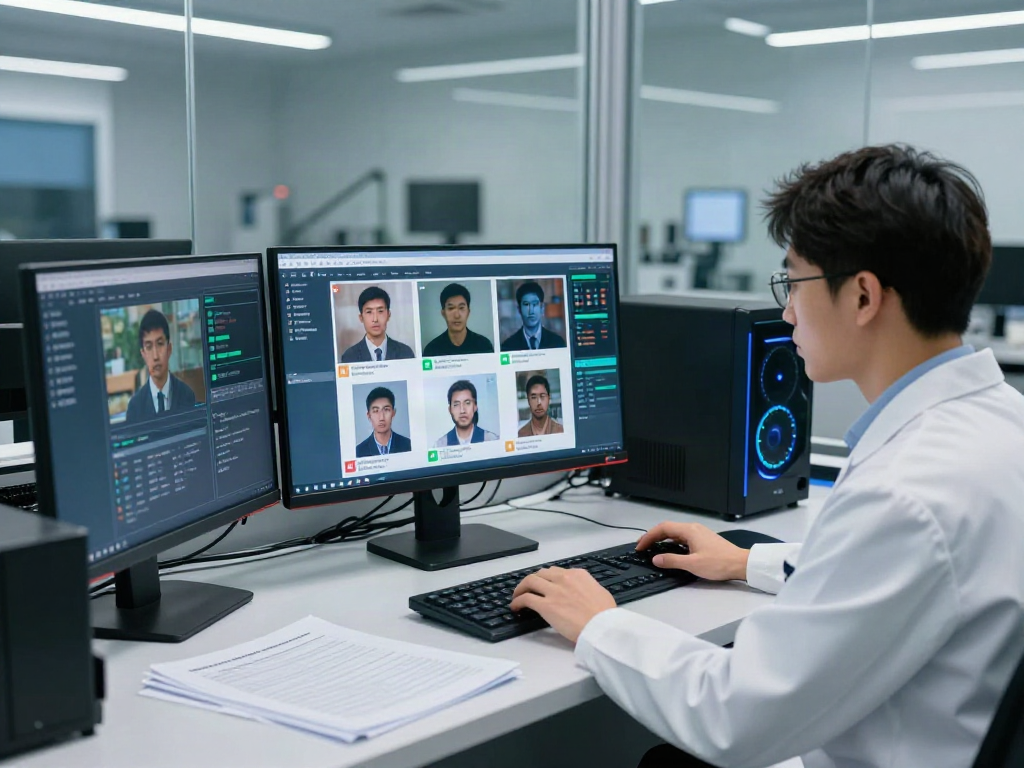
Understanding AI-Generated Image Detection
As artificial intelligence technology continues to evolve, the phenomenon of AI-generated images has gained significant attention across various sectors, from media to law enforcement. AI-generated image detection refers to the methodologies and technologies developed to identify images created or altered by AI-based systems. The implications of this technology are manifold, particularly in the domain of digital security and information integrity. This article explores the critical aspects of AI-generated image detection, its importance in modern society, and the challenges faced by technology developers and users alike. For those looking to delve deeper into this subject, AI-Generated Image Detection provides comprehensive insights and solutions tailored to meet contemporary needs.
What is AI-Generated Image Detection?
AI-generated image detection is the process of employing algorithms and technologies to ascertain whether an image has been created by artificial intelligence or manipulated using AI techniques. The advancement of neural networks, particularly Generative Adversarial Networks (GANs), has revolutionized image creation, leading to hyper-realistic images that can easily deceive human observers. Detection techniques are designed to analyze pixel data, patterns, and inconsistencies typical in AI-generated images, thereby enabling accurate identification.
Importance of Image Authentication in Digital Security
In an increasingly digital world, the authenticity of images is paramount. The proliferation of deepfakes and manipulated visuals poses significant risks, including misinformation, fraud, and reputational damage. Organizations must implement robust image authentication measures to safeguard their interests and maintain trust with their audience. By leveraging AI-generated image detection, companies can enhance their digital security protocols and ensure that the visuals they distribute are genuine.
Key Technologies Behind AI Image Detection
Several technologies underlie the field of AI image detection. These include machine learning algorithms that analyze images for specific features indicative of AI-generated content, such as:
- Convolutional Neural Networks (CNNs): These networks process pixel data through multiple layers, enabling the detection of complex patterns.
- Deep Learning: This involves training models on vast datasets to improve accuracy in distinguishing between real and AI-generated images.
- Forensics Algorithms: These are specialized tools that examine image metadata and pixel-level inconsistencies.
Challenges in Detecting AI-Generated Images
Common Misconceptions about AI Image Detection
Despite advancements, misconceptions persist regarding the capabilities of AI image detection tools. Many users believe that once an image is flagged as AI-generated, it is unequivocally fake; however, AI-generated images can sometimes be indistinguishable from genuine photographs. Additionally, there is a notion that detection does not require ongoing updates, yet AI technology evolves rapidly, necessitating constant refinement of detection algorithms.
Limitations of Current Detection Methods
Current detection methods face several limitations. For instance, many algorithms are trained on specific datasets, which may not encompass the full array of AI-generated content available. Moreover, as AI technologies become more sophisticated, the techniques used to generate images can camouflage their nature, complicating detection efforts. The effectiveness of detection is also hindered when images are subject to post-processing or alterations.
Threats and Impacts of Deepfakes and AI Manipulations
The emergence of deepfakes and manipulated images represents a profound threat across numerous sectors. In media, deepfakes can lead to the spread of false information, influencing public opinion and eroding trust in journalism. In law enforcement, manipulated evidence can undermine the integrity of criminal investigations. Moreover, the advertising sector faces challenges as brands struggle to maintain authenticity in their visual representation.
Best Practices for Implementing AI Image Detection
Steps to Integrate Detection Algorithms into Your Systems
To effectively integrate AI image detection algorithms, organizations should follow a strategic approach:
- Assess Needs: Identify specific requirements and vulnerabilities within the organization that necessitate AI image detection.
- Select Appropriate Technology: Choose detection tools based on the types of images the organization encounters.
- Implementation: Integrate the selected algorithms into existing systems, ensuring they work seamlessly with current workflows.
Training Your Team on Detection Techniques
Training is essential for maximizing the effectiveness of AI image detection tools. Organizations should conduct workshops and training sessions to educate employees on the nuances of AI-generated content, detection methodologies, and response protocols for flagged images. This will enhance the overall competency of the team and ensure that they are equipped to handle potential challenges.
Monitoring and Updating Detection Protocols Regularly
Given the rapid pace of technological advancement, regular monitoring and updating of detection protocols are crucial. Organizations should establish a routine for evaluating the performance of detection algorithms, incorporating feedback from users, and adjusting strategies as necessary to keep pace with new developments in AI image generation.
Real-World Applications of AI-Generated Image Detection
Case Studies in Media and Content Verification
Numerous media outlets have adopted AI image detection to safeguard their reporting. For example, during election cycles, news organizations use detection tools to verify the authenticity of images circulated on social media. This not only protects the integrity of their journalism but also informs the public about deceptive practices.
Applications in Law Enforcement and Public Safety
Law enforcement agencies utilize AI image detection to assess evidence submitted in investigations. By ensuring the authenticity of video and photographic evidence, these agencies can uphold the integrity of their processes and effectively combat misinformation. Furthermore, AI detection tools are instrumental in identifying and mitigating the risks associated with deepfake technology.
Impact on Marketing and Brand Integrity
In marketing, maintaining brand integrity is paramount. Companies leverage AI-generated image detection to monitor their visual content and ensure that their brand is not misrepresented through manipulated images. By actively engaging in image verification, brands can enhance their trustworthiness and solidify their position in the market.
Future Trends in AI-Generated Image Detection
Emerging Technologies to Watch in 2026
As we look toward 2026, several emerging technologies are poised to impact AI-generated image detection. Innovations in quantum computing may enable the processing of vast amounts of data at unprecedented speeds, improving the accuracy and efficiency of detection algorithms. Additionally, advancements in edge computing may allow for real-time detection capabilities directly on devices, thus enhancing user privacy.
The Role of AI Image Detection in Cybersecurity
AI image detection will play a crucial role in cybersecurity as the prevalence of misinformation escalates. By integrating AI detection tools with broader cybersecurity systems, organizations can create a fortified defense against attempts to manipulate visual content. This will be essential for safeguarding sensitive information and maintaining the trust of stakeholders.
Predictions for User Adoption and Market Growth
The market for AI-generated image detection is expected to see significant growth in the coming years. As awareness of image authenticity issues rises, more organizations will seek to implement detection technologies. User adoption will likely expand among sectors committed to transparency and accountability, such as journalism, marketing, and law enforcement.
How Will AI-Generated Image Detection Shape Digital Ethics?
The introduction of AI-generated image detection raises important ethical considerations. As the technology becomes more widespread, discussions surrounding the implications of image verification, privacy, and the responsibility of organizations to communicate transparently will intensify. Ethical frameworks will need to evolve to encompass the nuances of AI technology and its intersection with human perception.