
Hotels operate in a highly competitive environment where guest comfort, operational efficiency, and cost control are all important priorities. From lighting and air conditioning to hot water systems and kitchen operations, hospitality facilities require a continuous supply of energy every day.
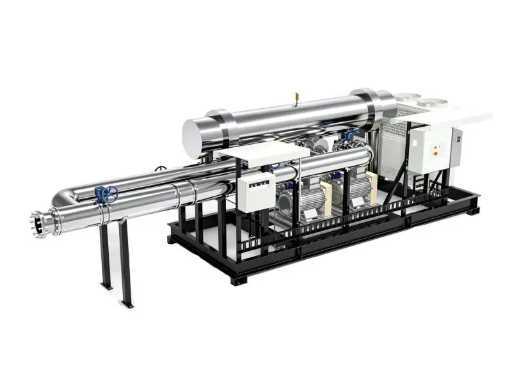
Rising energy expenses have encouraged hotel owners and operators to explore smarter power solutions. The modern gas cogeneration units provide an efficient approach by producing electricity and useful heat from a single fuel source. These systems help hotels reduce energy waste, lower operating costs, and improve overall energy management.
Understanding CHP Systems in Hotel Operations
Combined Heat and Power technology, also known as cogeneration, allows facilities to generate electricity on-site while capturing heat that would normally be lost during power production. This recovered heat can be used for heating water, maintaining indoor temperatures, and supporting other hotel services.
Unlike traditional energy systems that depend completely on external power supplies, CHP solutions allow hotels to have greater control over their energy production. This improves reliability and creates a more efficient way to meet daily energy demands.
Why Hotels Are Turning to CHP Solutions
Hotels have unique energy requirements because they operate almost continuously. Guests expect comfortable rooms, reliable heating and cooling, hot water availability, and uninterrupted services.
Traditional electricity supply methods often involve purchasing power from the grid while using separate systems for heating. This approach can lead to energy losses and higher expenses. CHP technology combines these processes into one efficient system, helping hotels achieve better resource utilization.
Benefits of CHP Systems for the Hospitality Industry
Reduced Energy Costs
One of the biggest advantages of CHP technology is improved cost efficiency. By producing electricity and heat together, hotels can reduce their dependence on external energy suppliers.
Modern gas cogeneration units are designed to maximize fuel usage by converting energy into multiple useful outputs. This helps hospitality businesses lower their monthly energy expenses while maintaining reliable service.
Improved Energy Reliability
Power interruptions can negatively affect guest experience and hotel operations. CHP systems provide a dependable source of electricity that can continue supporting essential services during grid instability.
A reliable energy solution ensures that critical areas such as lighting, security systems, refrigeration, and communication networks remain operational.
Better Use of Waste Heat
In conventional power generation, a significant amount of heat is released as waste. CHP systems capture this heat and use it for practical applications within the hotel.
The recovered thermal energy can support:
- Hot water production
- Space heating
- Laundry operations
- Kitchen facilities
- Swimming pool heating
- Climate control systems
This efficient approach helps hotels improve performance while reducing unnecessary energy losses.
Applications of CHP Systems in Hotels
CHP technology can support various areas of hotel operations, including:
- Guest room energy requirements
- Heating and cooling systems
- Restaurants and kitchens
- Conference facilities
- Laundry services
- Wellness and spa areas
- Large commercial hospitality buildings
The flexibility of these systems makes them suitable for both large resorts and smaller hotel properties looking to improve energy efficiency.
Selecting the Right CHP Solution
Choosing the right CHP system requires careful evaluation of a hotel’s energy consumption patterns. Important factors include building size, electricity demand, heating requirements, fuel availability, and future expansion plans.
A properly designed system should match the hotel’s operational needs and provide maximum efficiency. Regular maintenance and professional servicing also help ensure long-term performance.
Lessons from Other Critical Energy Applications
Reliable energy systems are essential not only for hotels but also for facilities where continuous power is extremely important. Healthcare buildings, for example, require stable electricity for medical equipment and emergency services.
This is why technologies similar to gas generators for hospital applications are often considered when designing dependable energy strategies for critical facilities.
The Future of Energy Efficiency in Hotels
As sustainability becomes a major focus in the hospitality sector, more hotels are adopting advanced energy technologies to reduce costs and environmental impact.
CHP systems provide a practical way to improve efficiency by combining power generation and heat recovery in one solution. With better energy management, hotels can enhance guest comfort while building more sustainable operations.
Conclusion
CHP systems offer hotels an effective method to reduce energy costs, improve reliability, and make better use of available resources. By generating electricity and heat together with gas generators for hospital, these systems help hospitality businesses achieve greater efficiency and operational control.
With the continued growth of energy-conscious practices, CHP technology is becoming an important part of modern hotel energy management strategies.