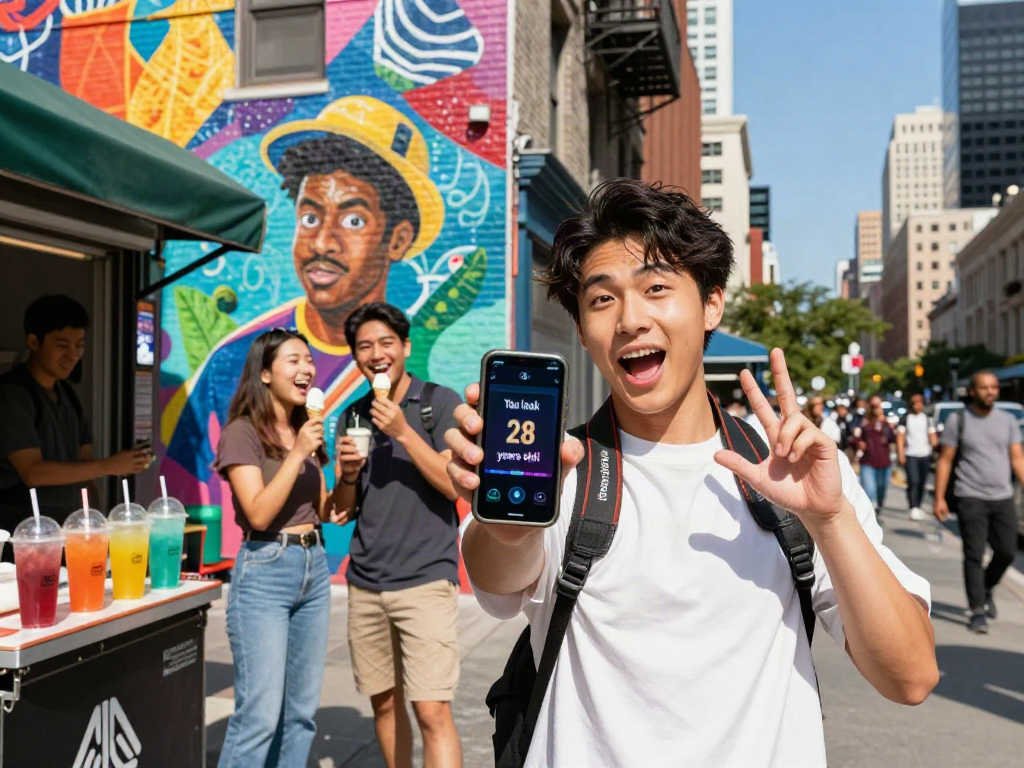
Understanding AI Age Estimation
The fascination with personal appearance and age perception has led to the rise of AI-driven age estimation tools. These innovative technologies have made it possible for individuals to upload their photos and receive a prediction of how old they appear. A significant component of this technology is the use of advanced algorithms that analyze facial features. Whether you're curious about your appearance or simply want to understand the mechanism behind these tools, the popularity of age estimators is undeniable. When exploring options, how old do I look provides comprehensive insights into this trending technology.
What is AI Facial Recognition?
AI facial recognition technology utilizes machine learning algorithms to identify and verify individuals based on their facial features. This method has become increasingly sophisticated, leveraging vast datasets to refine accuracy in recognizing faces. In age estimation specifically, the technology analyzes distinct facial markers such as wrinkles, skin texture, and pigmentation. By comparing these features against known data of various age groups, AI can offer educated guesses about a person's perceived age.
How Does Age Estimation Work?
Age estimation employs a combination of image processing and deep learning techniques. The AI systems typically undergo training with pictures of individuals across different age ranges, allowing them to identify patterns that correlate with specific age-related features. When a photo is uploaded, the system evaluates elements such as facial contours, eye area, and skin condition to generate an age estimation. The entire process can be completed in a matter of seconds, providing users with instant feedback on their perceived age.
Benefits of Using Age Estimation Tools
- Fun and Interactive: Many users find examining their perceived age entertaining, whether in a casual setting with friends or on social media platforms.
- Self-Reflection: Age estimation tools can encourage individuals to assess their skincare or lifestyle choices based on perceived aging.
- Data Collection: For businesses, these tools can gather data on consumer demographics and preferences, aiding in targeted marketing strategies.
Common Misconceptions About Age Estimation
Accuracy of Age Guessing Apps
Despite their popularity, many users believe that these applications provide definitive age readings, which is often misleading. The accuracy of these tools can vary significantly based on several factors, including the quality of the uploaded image and the algorithm used. Users should approach results with a degree of skepticism, considering these apps primarily offer estimations rather than precise measurements.
Privacy Concerns with Photo Uploads
Privacy issues are a significant concern when using age estimation tools, particularly those that require users to upload personal images. Users must be aware of how their data is handled and stored. Some applications do not retain images after processing, while others may collect data for research purposes. It is wise for users to read privacy policies carefully before engaging with these platforms.
Common Errors in User Expectations
Many users expect these tools to produce results that align closely with their chronological age. However, factors such as lighting, facial expressions, and image quality can impact the output. Individuals should also remember that perceived age does not always reflect biological age; lifestyle choices significantly influence how old someone may appear. Consequently, results should be seen as fun rather than scientifically definitive.
Optimal Practices for Getting Accurate Results
Best Photo Conditions for Age Estimation
To achieve the most reliable age estimates, users should adhere to a few best practices when taking photos. Optimal conditions include adequate lighting, a neutral background, and a front-facing angle. Avoiding heavy makeup and filters can also ensure that the AI accurately assesses natural facial features.
Choosing the Right Apps for Age Guessing
With numerous options available, selecting a reliable app can be challenging. Users are encouraged to look for applications with positive reviews, clear data privacy policies, and those that utilize robust machine learning models. Comparing different tools may reveal those that offer better accuracy and user experience.
Interpreting Age Results Effectively
Understanding how to interpret results is crucial for users. It's beneficial to view estimates as general guidelines rather than absolute truths. Users should consider these insights as ways to inspire self-care routines, rather than as strict reflections of their actual age.
Real-World Applications of Age Estimation Tools
How Influencers Use Age Estimation
Influencers on social media platforms have begun integrating age estimation apps into their content. By sharing their results, they not only engage their audience but also encourage discussions surrounding beauty standards and aging. This trend often enhances community interaction and can lead to viral challenges where users compare their perceived ages.
Age Estimation in Social Media Trends
Social media trends often incorporate the excitement of age estimation as users seek to compare their results with friends or followers. Hashtags related to age guesses can quickly gain traction, creating a community-driven atmosphere around the fun of self-assessment and sharing experiences centered on perceptions of age.
Case Studies of Successful Engagements
Several brands have leveraged age estimation tools for successful campaigns. For example, beauty companies may use the technology as part of promotions to advocate for age diversity and empowerment. By showcasing how products can positively affect perceived age, brands can effectively engage with a broader audience.
Future Trends in Age Estimation Technology
Emerging AI Technologies in Age Guessing
As AI continues to evolve, so too will the capabilities of age estimation technologies. Future advancements may incorporate more nuanced algorithms that consider lifestyle and genetic factors, leading to improved accuracy. Enhanced integration with augmented and virtual reality platforms may also provide users with interactive experiences that visualize aging effects over time.
Predictions for User Interaction in 2026
By 2026, it is likely that user interaction with age estimation tools will become more personalized. With the integration of biometric data and machine learning, apps could potentially offer tailored recommendations for skincare and lifestyle based on perceived age. This level of customization could enhance user engagement and result in more meaningful applications of age estimation insights.
Ethical Considerations in AI Age Estimation
The ethical implications surrounding AI age estimation cannot be overlooked. Issues include potential reinforcement of age stereotypes and the impact on mental health, as users may experience pressure to conform to beauty standards based on the estimations they receive. As technology advances, it will be essential to maintain ethical standards that prioritize user well-being and responsible data usage.
What is the best app to determine my age?
Finding the best app to determine perceived age often depends on personal preferences and desired features. Users should look for apps with high accuracy rates, positive user reviews, and those that prioritize data privacy. Experimenting with different applications can lead to discovering the most enjoyable and reliable tool.
How does the technology for age estimation work?
The technology for age estimation involves the use of convolutional neural networks (CNNs) that process images and identify patterns associated with aging. These networks are trained on extensive datasets, allowing them to learn from millions of examples, which enables accurate predictions based on newly submitted images.
Can lighting affect the results of age estimation?
Yes, lighting plays a crucial role in the accuracy of age estimation results. Poor lighting can obscure important facial features, leading to inaccurate predictions. Ideally, users should take photos in natural light to ensure the AI can effectively analyze their facial characteristics.
Are there any privacy risks with age estimation apps?
Privacy risks are inherent in using age estimation apps, particularly if sensitive personal data is collected. Users should ensure they choose apps that prioritize data protection and are transparent about their policies. Opting for applications that do not store images or personal information can mitigate some risks.
How reliable are the results from these tools?
While age estimation tools can provide entertaining insights, their reliability varies. Factors such as image quality, the specific algorithm used, and individual differences in appearance can all affect the accuracy of the results. Users should view them as approximations rather than definitive answers.