Behind the Scenes of wifi Sprinkler Controller: How It Really Works for Smart Gardening in 2026
Understanding the Wifi Sprinkler Controller Technology
As the demand for more efficient watering solutions grows, the wifi sprinkler controller emerges as a game-changing innovation in irrigation technology. This sophisticated device integrates modern technology with practical gardening needs, allowing users to manage their watering systems remotely, ensure optimal plant health, and conserve water effectively. This article delves into the nuances of wifi sprinkler controllers, highlighting their features, benefits, installation processes, and future trends.
What is a Wifi Sprinkler Controller?
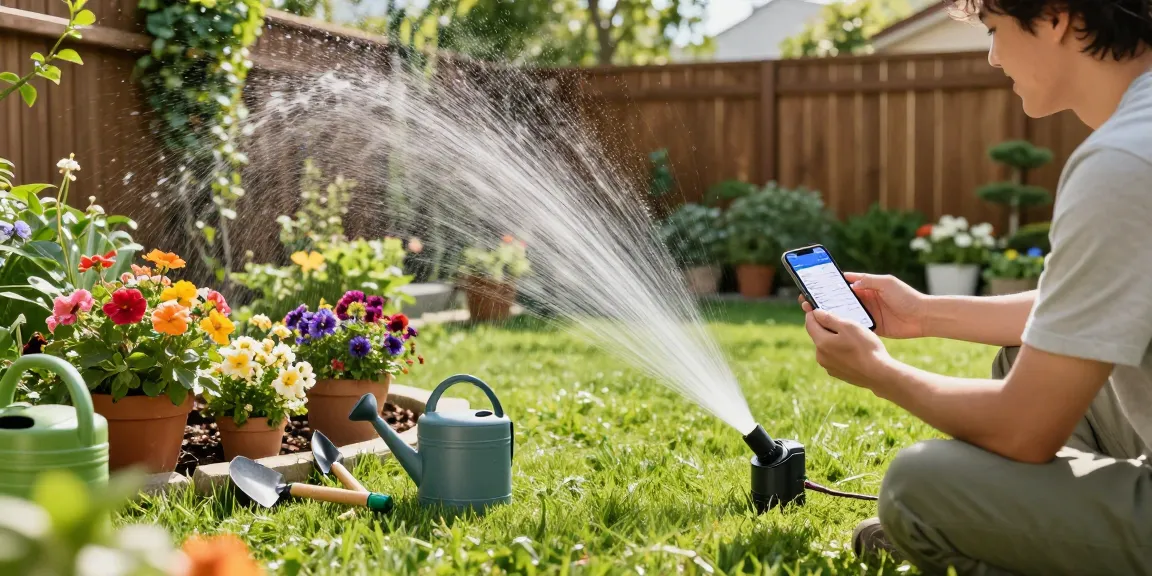
A wifi sprinkler controller is a smart irrigation device that allows users to manage their watering schedules via an internet connection, typically through a mobile app. Unlike traditional timers, these controllers adjust watering times based on real-time data, such as weather conditions and soil moisture levels. This ensures plants receive the right amount of water without waste, making them an essential tool for both casual gardeners and professional landscapers.
Key Features of Modern Controllers
- Smart Scheduling: Tailors watering schedules based on weather forecasts and soil moisture. This feature prevents overwatering during rainy seasons and ensures plants are hydrated during dry spells.
- Multiple Zone Control: Lets users manage different sections of their garden or landscape independently, allowing for tailored care based on specific plant needs.
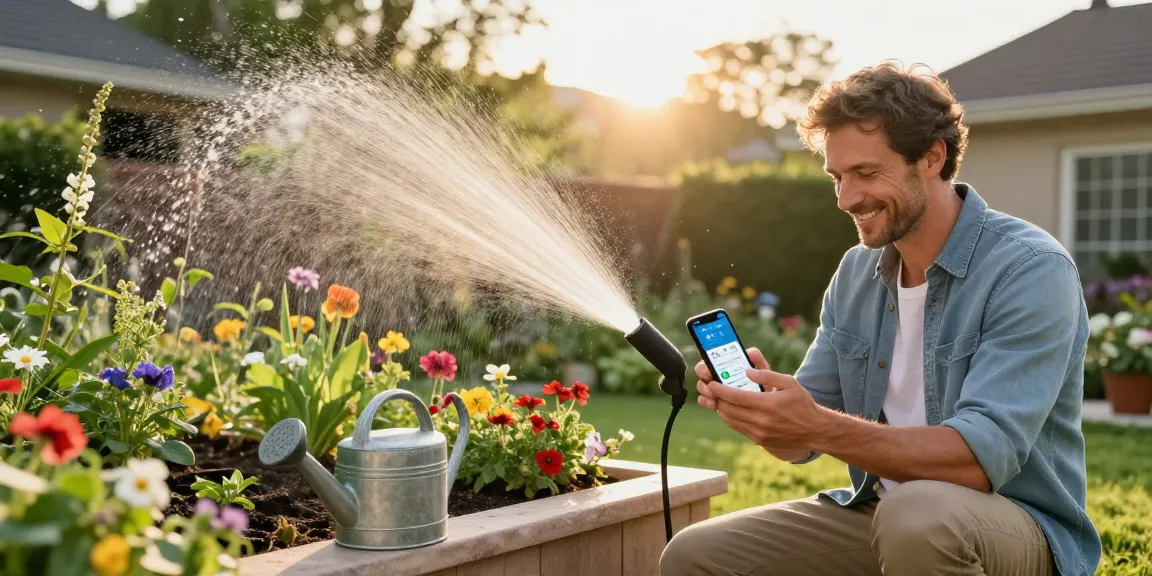
- Mobile App Connectivity: Offers remote access to watering schedules, allowing for adjustments on-the-go and providing notifications for system status and maintenance needs.
- Data Analytics: Tracks water usage and provides valuable insights into irrigation patterns, helping users identify trends and make informed decisions for future watering schedules.
How Wifi Connectivity Enhances Irrigation Management
Wifi connectivity not only simplifies the management of irrigation systems but also empowers gardeners with data-driven decision-making capabilities. The online interfaces provided by modern wifi sprinkler controllers allow for easy adjustments, and remote monitoring ensures that any issues—like malfunctions or leaks—can be addressed quickly. This level of interaction between gardeners and their irrigation systems ultimately translates into healthier plants and more sustainable gardening practices.
Benefits of Using a Wifi Sprinkler Controller
Water Conservation and Cost Savings
One of the primary benefits of a wifi sprinkler controller is its ability to conserve water. By utilizing real-time data to adjust watering schedules, these devices significantly reduce unnecessary water usage, which can translate into substantial savings on water bills. Studies suggest that smart irrigation systems can reduce water use by up to 50%, depending on the landscape’s needs and the local climate.
Enhanced Plant Health and Growth
Healthy plants require consistent and appropriate water levels. Over or under-watering can lead to issues like root rot or drought stress. Wifi sprinkler controllers ensure that plants receive the correct amount of moisture by applying advanced algorithms that consider the specific requirements of various plants. This targeted approach leads to healthier plant growth, vibrant blooms, and more robust root systems.
Convenience and Time Efficiency for Gardeners
Gardening can be time-consuming, and many enthusiasts struggle to find the right balance between their busy lives and the needs of their gardens. A wifi sprinkler controller provides a set-it-and-forget-it solution, automating the watering process and freeing up valuable time for other activities. As testimonials from satisfied users reveal, these devices simplify the management of both indoor and outdoor plants, leading to flourishing gardens with minimal effort.
Setting Up Your Wifi Sprinkler Controller
Step-by-Step Installation Guide
Installing a wifi sprinkler controller is a straightforward process, especially for those familiar with basic gardening tools and technology. Most devices come with comprehensive instructions, but the general steps typically include:
- Gather Necessary Tools: Ensure you have the tools needed for installation, such as screwdrivers, hoses, and, if applicable, a drill.
- Mount the Controller: Choose a location that is accessible and has a reliable wifi signal, preferably close to your existing sprinkler system.
- Connect to Existing Irrigation System: Follow the manufacturer’s instructions to connect the controller to your existing sprinklers or hoses.
- Power Up: Connect the controller to a power source and turn it on.
Connecting to Your Home Wifi Network
Once your controller is physically installed, the next step is connecting it to your home wifi network. Most controllers have a simple setup process that involves:
- Downloading the corresponding mobile app for your controller.
- Creating an account and following in-app instructions to pair the controller with your phone.
- Entering your wifi credentials for seamless connectivity.
Configuring Mobile App Settings for Optimal Use
After connecting your wifi sprinkler controller to your network, it’s essential to configure your app settings to maximize its efficiency. This includes:
- Setting up your irrigation zones and specifying which plants are in each area.
- Programming watering schedules based on plant needs and local weather conditions.
- Enabling alerts for system updates and maintenance notifications.
Common Challenges and Solutions
Troubleshooting Connection Issues
Wireless connections can occasionally be unpredictable, leading to issues with your controller communicating with your wifi network. Common solutions include:
- Ensuring your router is operational and within range of the controller.
- Restarting the controller and router to reset the connection.
- Updating the controller firmware through the app, as manufacturers often release updates to improve connectivity.
Adjusting Settings for Different Plant Needs
Not all plants require the same amount of water, and adjusting your controller settings to accommodate those differences is crucial. To do this effectively:
- Monitor soil moisture levels regularly using soil sensors if available.
- Experiment with different watering durations and frequencies based on specific plant responses.
- Utilize the analytics features offered by your controller for data-driven adjustments.
Maintaining Your Wifi Sprinkler System
For optimal performance, regular maintenance of your wifi sprinkler system is essential. This can involve:
- Cleaning filters and nozzles to prevent clogging.
- Checking for leaks or drips in hoses and connections.
- Revising watering schedules as seasons change and plant growth varies.
Future Trends and Innovations in Smart Irrigation
Advancements in Soil Sensor Technology
The future of smart irrigation will undoubtedly include improved soil sensor technologies. These advancements will enable even more precise control over watering schedules by constantly measuring soil moisture and nutrient levels. With enhanced sensors, gardeners can optimize water usage even further, potentially leading to significant environmental benefits.
Predictions for Smart Irrigation Systems in 2026
By 2026, it is expected that smart irrigation systems will become increasingly integrated with home automation systems. This means that watering schedules could automatically adjust based on not only rainfall predictions but also changes in temperature, humidity, and sunlight. Such developments could revolutionize the way we approach gardening, making it even more accessible and efficient.
Sustainability and Eco-Friendly Practices
Smart irrigation systems will continue to play a vital role in promoting sustainable agriculture practices. By minimizing water waste and promoting efficient plant growth, these technologies contribute to the broader goals of improving conservation efforts and minimizing the environmental impact of gardening and landscaping.
What are the advantages of a wifi sprinkler controller?
The primary advantages include water conservation, enhanced plant health, and convenience for users, allowing for automatic watering schedules and easy management through mobile apps.
How do I set up a wifi sprinkler controller?
Setting up involves physical installation, connecting to your home wifi network, and configuring the settings through a mobile app, typically following step-by-step instructions provided by the manufacturer.
Can I control multiple zones with a single controller?
Yes, most wifi sprinkler controllers are designed to manage multiple zones, which can be tailored to different plants and areas in your garden or landscape.
What if my wifi connection is unstable?
Unstable connections can often be fixed by restarting your router, ensuring the controller is within range, and updating software. If issues persist, consulting the manufacturer’s support may provide tailored solutions.
How does a wifi sprinkler controller save water?
By adjusting watering schedules based on real-time data like weather forecasts and soil moisture levels, wifi sprinkler controllers ensure that water is applied only when necessary, effectively reducing water waste.