The Proven Hair Transplant Turkey Framework Used by Experts for Transformative Results

Understanding Hair Transplant Techniques in Turkey
Hair transplantation has become an increasingly popular solution for individuals suffering from various types of hair loss, particularly in Turkey, which has emerged as a leader in this field. The combination of advanced technology, skilled practitioners, and cost-effective treatment options makes Turkey an attractive destination for those seeking hair restoration. At Sapphire Hair Clinic, we provide comprehensive offerings, including hair transplant turkey services, ensuring that each patient receives personalized care tailored to their specific needs.
What Makes FUE and DHI Unique?
The two prominent techniques for hair transplantation in Turkey are Follicular Unit Extraction (FUE) and Direct Hair Implantation (DHI). FUE involves extracting hair follicles directly from the donor area using a specialized tool, which minimizes scarring and allows for quicker recovery. On the other hand, DHI not only extracts the follicles but also implants them directly into the balding area using a sophisticated device that accommodates greater precision and angle control. Both methods are designed to ensure natural-looking results, allowing the hair to grow in a way that follows the patient’s natural hair lines.
Comparison of Hair Transplant Methods
While both FUE and DHI are effective methods, each has its advantages depending on the individual patient’s needs. FUE is generally quicker and can treat larger areas in fewer sessions, making it ideal for patients with more extensive hair loss. Conversely, DHI, while slightly more time-consuming, offers unparalleled precision and is often preferred for more delicate areas, such as the hairline. Ultimately, the choice between these techniques should be guided by a detailed consultation with a qualified practitioner.
Advanced Technology Used in Hair Restoration
At Sapphire Hair Clinic, we employ cutting-edge technology to enhance the hair transplant experience. Innovations like sapphire blades used in FUE provide greater precision and reduce trauma to the scalp, which can lead to improved healing times. The integration of advanced imaging techniques allows our specialists to visualize the best areas for graft extraction and ensure optimal results. The focus is always on achieving a natural look while ensuring the highest standards of patient safety and comfort.
Cost-Effective Hair Transplant Options in Turkey
A key factor attracting international patients to Turkey for hair transplants is the affordability of these procedures. In comparison to Western countries, the costs associated with hair transplants in Turkey are significantly lower, often without compromising quality. For instance, a typical FUE procedure can range between $1,500 and $3,500, which is a fraction of what similar procedures may cost in the US or Europe.
Average Cost Estimates for Different Graft Counts
The overall cost of a hair transplant is largely dependent on the number of grafts required. For example, a hair transplant involving 2,000 grafts may cost approximately $2,000, whereas a larger procedure requiring 4,000 grafts can range from $3,500 to $5,500. Many clinics in Turkey offer transparent pricing including pre-operative consultations, medications, post-operative care, and accommodation, making it easier for patients to budget accordingly.
Why Turkey Offers Competitive Pricing
Turkey benefits from lower overall living costs and a highly competitive healthcare market, which contributes to the affordability of hair transplantation. Clinics in Turkey are able to offer high quality services at reduced prices because they have lower operational costs compared to many Western countries. Furthermore, the sheer volume of procedures performed within the country helps to maintain competitive pricing while ensuring exceptional care standards.
Package Inclusions and What to Expect
Typically, the hair transplant packages at clinics like Sapphire Hair Clinic include a comprehensive pre-surgery consultation, the procedure itself, medications for pain and inflammation, aftercare products, and even accommodation for international patients. Many clinics also provide airport transfers and assistance with local travel arrangements, ensuring a seamless experience from start to finish.
Success Rates and Patient Satisfaction
The success of hair transplant procedures largely depends on the technique used, the expertise of the medical team, and post-operative care. Clinics in Turkey, such as Sapphire Hair Clinic, have reported success rates of 95% or higher, with many patients achieving satisfying and natural-looking results. Testimonials from our patients frequently highlight both the effectiveness of the procedure and the overall experience at our clinic.
Real Patient Success Stories and Testimonials
Many patients have shared their positive experiences through written and video testimonials, which detail their journeys from initial consultation to post-operative recovery. These stories not only illustrate the transformative impact of hair restoration but also highlight the compassionate care and professionalism exhibited by our team at Sapphire Hair Clinic.
Factors Influencing Hair Transplant Success
Success in hair transplantation hinges on several factors, including the skill of the surgeon, the technique employed, the quantity and quality of the donor hair, and adherence to post-operative care instructions. Patients are encouraged to discuss their individual circumstances and expectations with their medical team to formulate a personalized treatment plan that optimizes the chances of a successful outcome.
Longevity of Results from Hair Transplants
Many patients wonder how long the results of their hair transplant will last. With proper care, most individuals experience permanent results, as the transplanted hair is genetically resistant to balding. Regular follow-ups and consultations can help ensure the longevity of the results and address any potential issues promptly.
Traveling to Istanbul for Hair Transplants
Traveling to Turkey for a hair transplant can be a rewarding experience, offering the opportunity to combine medical care with cultural exploration. Many patients find Istanbul not only to be a destination for hair restoration but also an enriching place to experience history and beauty. Knowing what to expect during your trip can enhance this experience.
Preparing for Your Trip to Turkey
Preparation involves both practical and medical considerations. Patients should ensure their travel documents are in order, book their accommodations close to the clinic, and understand the itinerary for their procedure. It is advisable to have a detailed pre-consultation via video or phone to clarify any questions regarding the procedure and post-operative care pre-arrival.
Duration of Stay for Optimal Recovery
The recovery process typically requires patients to stay in Turkey for about 5 to 7 days. This allows enough time for both the procedure and the initial healing phase, during which patients will have follow-up appointments to monitor progress. It is essential to allow adequate recovery time before returning home to ensure optimal results.
Combining Hair Transplant with Tourism
A trip to Istanbul for hair restoration can double as a vacation. With its rich history, stunning architecture, and vibrant culture, many patients take the opportunity to explore the city post-procedure. Guided tours, cultural experiences, and culinary adventures can enhance the overall trip and provide a valuable break during the recovery process.
Post-Operative Care and Recovery Guidelines
The period following a hair transplant is critical for achieving the best possible outcomes. Patients are provided with detailed instructions on how to care for their scalp and monitor healing. Following these guidelines closely can help ensure successful results and minimize complications.
Essential Aftercare for Hair Transplant Patients
Patients are advised to avoid strenuous activities for at least a week following the procedure. Proper hygiene, including gentle washing of the scalp with recommended products, is crucial. It is also important to avoid direct sunlight and wear a loose-fitting hat if necessary to protect sensitive skin.
Understanding the Recovery Timeline
The initial healing period usually lasts about 10 to 14 days, during which patients may experience mild discomfort, swelling, or redness. After this, the transplanted hair will enter a shedding phase before new hair growth begins, typically around three months post-surgery. Full results can take up to one year to manifest.
Signs of Complications and When to Seek Help
While complications are rare, patients should be vigilant for any unusual symptoms such as excessive swelling, persistent pain, or signs of infection at the donor or transplantation site. If such symptoms occur, it is important to contact the clinic immediately for guidance and appropriate care.
FAQs
Before scheduling a procedure, prospective patients often have numerous questions. Being informed helps ease the decision-making process and prepares individuals for what lies ahead.
Is Turkey a Safe Option for Hair Transplant?
Turkey is well-regarded for its healthcare practices in the field of cosmetic surgery, including hair transplants. Many accredited clinics follow strict safety and hygiene standards, making it a safe choice for treatment.
How Long Does a Hair Transplant Procedure Take?
The duration of a hair transplant procedure can vary based on the number of grafts being transplanted, but it typically takes between 4 to 8 hours to complete.
What Should I Expect During a Consultation?
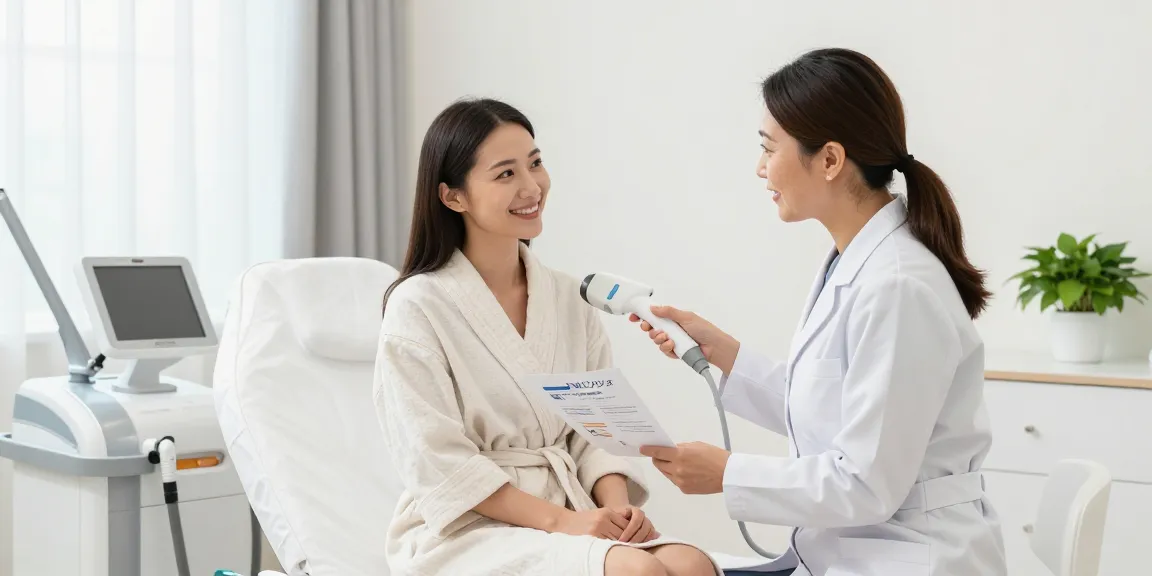
During your consultation, the medical team will evaluate your hair loss pattern, discuss your medical history, and outline the techniques available for your specific condition. For more information, https://www.sapphirehairclinic.com/ offers valuable insights. This session is also an opportunity to address any concerns and establish realistic expectations regarding results.