Why Disc Separator Is Better Than Traditional Methods for Industrial Efficiency
Understanding the Disc Separator Technology
The disc separator is a pivotal component in modern industrial separation processes, leveraging centrifugal force to achieve high-efficiency separation of solids and liquids. This technology is especially beneficial across various sectors such as food and beverage, pharmaceuticals, and chemical industries. With the growing demand for purity and efficiency, understanding the inner workings of a disc separator is essential for manufacturers looking to optimize their production lines. In this article, we will delve into the principles, applications, advantages, and best practices surrounding disc separators.
What is a Disc Separator?
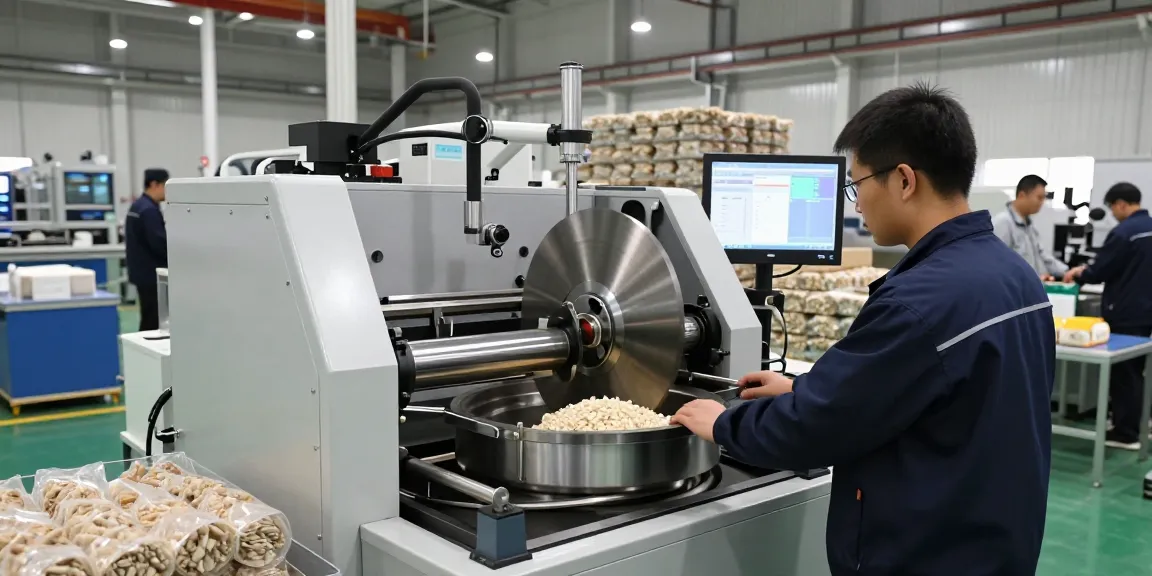
A disc separator, also known as a disc stack centrifuge, is a type of centrifugal separator that is designed to separate different phases of a mixture by using the principle of centrifugal force. The device consists of a rotor that spins at high speeds, allowing it to generate significant centrifugal forces. These forces push denser materials outward, while lighter materials remain closer to the center, effectively separating the components within the mixture. Disc separators are used in a variety of applications, from the extraction of valuable oils to the clarification of juices and the separation of blood components in the healthcare industry.
Working Principles of Disc Separators
The operation of a disc separator can be broken down into a few key stages:
- Loading: The mixture to be separated is fed into the separator through an inlet. This mixture typically consists of solids and one or more liquid phases.
- Centrifugation: Once the mixture is in the rotor, it is subjected to rapid spinning, which creates a centrifugal force far greater than gravity. This force causes the heavier materials to be forced to the outer edge of the rotor.
- Separation: As the heavier solids settle at the periphery, the lighter liquids form distinct layers. The design of the disc separator, with its stacked discs, facilitates further separation of these layers.
- Discharge: The separated materials are periodically discharged through outlets at different points: the solids are removed from the outer edge, while the clarified liquid can be extracted from a central outlet.
Applications of Disc Separators in Various Industries
Disc separators find applications in several industries due to their versatility and efficiency:
- Food and Beverage: Used for clarifying juices, separating cream from milk, and extracting oils from seeds.
- Pharmaceuticals: Critical in the manufacturing of injectable drugs, separation of biological products, and purification processes.
- Chemicals: Employed to process polymer solutions, separate catalyst materials, and clarify intermediate and final products.
- Environmental Technology: Used to treat wastewater and separate pollutants from industrial effluent.
Advantages of Using Disc Separators
Integrating disc separators into industrial processes offers numerous benefits that underscore their value:
Enhanced Separation Efficiency
Disc separators boast high separation efficiencies, capable of achieving purity levels up to 99.9%. The rapid rotation increases the separation force, allowing even fine solids to be effectively separated from liquids.
Cost-Effectiveness Over Time
While the initial investment in disc separator technology can be significant, the long-term operational savings are substantial. Efficient separation leads to reduced waste and energy consumption, ultimately lowering overall production costs.
Minimized Environmental Impact
By improving separation processes, disc separators contribute to reduced waste generation and enable the recovery of valuable materials, thus supporting sustainability efforts in various industries.
Common Challenges with Disc Separators
Despite their advantages, disc separators also present challenges that users must navigate:
Initial Setup and Calibration Issues
Setting up a disc separator requires precise calibration to ensure optimal performance. This process can be complex, and improper setup may result in inefficient separation.
Maintenance and Technical Support Needs
Regular maintenance is crucial for the effective operation of disc separators. This includes routine inspections, cleaning, and potential repairs to maintain their efficiency.
Operational Limitations in Certain Applications
While versatile, disc separators may not be the best choice for every application. Materials that are particularly sticky or contain a high degree of fibrous solids can present challenges during separation.
Best Practices for Operating Disc Separators
To maximize the performance of disc separators, operators should adhere to best practices:
Regular Maintenance and Inspection Routines
Implementing a scheduled maintenance program can help identify issues before they escalate. Regular checks of the rotor, seals, and discharge mechanisms are essential.
Optimizing Process Parameters for Maximum Efficiency
Operators should continuously monitor and adjust parameters such as feed rate, temperature, and rotational speed to optimize separation performance.
Training Staff for Effective Use and Troubleshooting
Educating staff on the operation and maintenance of disc separators is crucial. Proper training enables teams to troubleshoot issues promptly and effectively, minimizing downtime.
The Future of Disc Separator Technologies
The market for disc separator technologies is evolving, driven by innovations and increasing demand for efficiency:
Emerging Trends and Innovations for 2026
Technological advancements are leading to more compact and efficient disc separators that provide greater flexibility and ease of use in various applications.
Integration of Smart Technologies and IoT
As industries increasingly adopt smart factory principles, the integration of IoT technologies into disc separators will enable real-time monitoring and predictive maintenance, enhancing operational efficiency.
Predictions for Market Growth and Demand
The global market for disc separators is expected to grow significantly, driven by the rising need for effective separation solutions in industries like food and beverage, pharmaceuticals, and biotechnology.
What is the principle of a disc separator?
The principle of a disc separator revolves around the use of high centrifugal forces to separate solids from liquids or different liquid phases based on their density differences.
How often should disc separators be maintained?
Disc separators should undergo regular maintenance checks, typically every six months, or according to the manufacturer’s recommendations, to ensure optimal performance.
What industries benefit most from using disc separators?
Industries such as food and beverage, pharmaceuticals, chemicals, and environmental services benefit significantly from the efficiency and effectiveness of disc separators.
Are there specific applications unsuitable for disc separators?
Yes, applications involving highly fibrous or sticky materials may not be suitable for disc separators, as these can hinder the effective operation and lead to blockages.
What advancements are expected in disc separator technology?
Future advancements may include improved materials for durability, enhanced automation features, and better energy efficiency, aligning with the growing focus on sustainability in industry.. Additionally, disc stack centrifuge provides further details.